



How to book assisted travel at airports

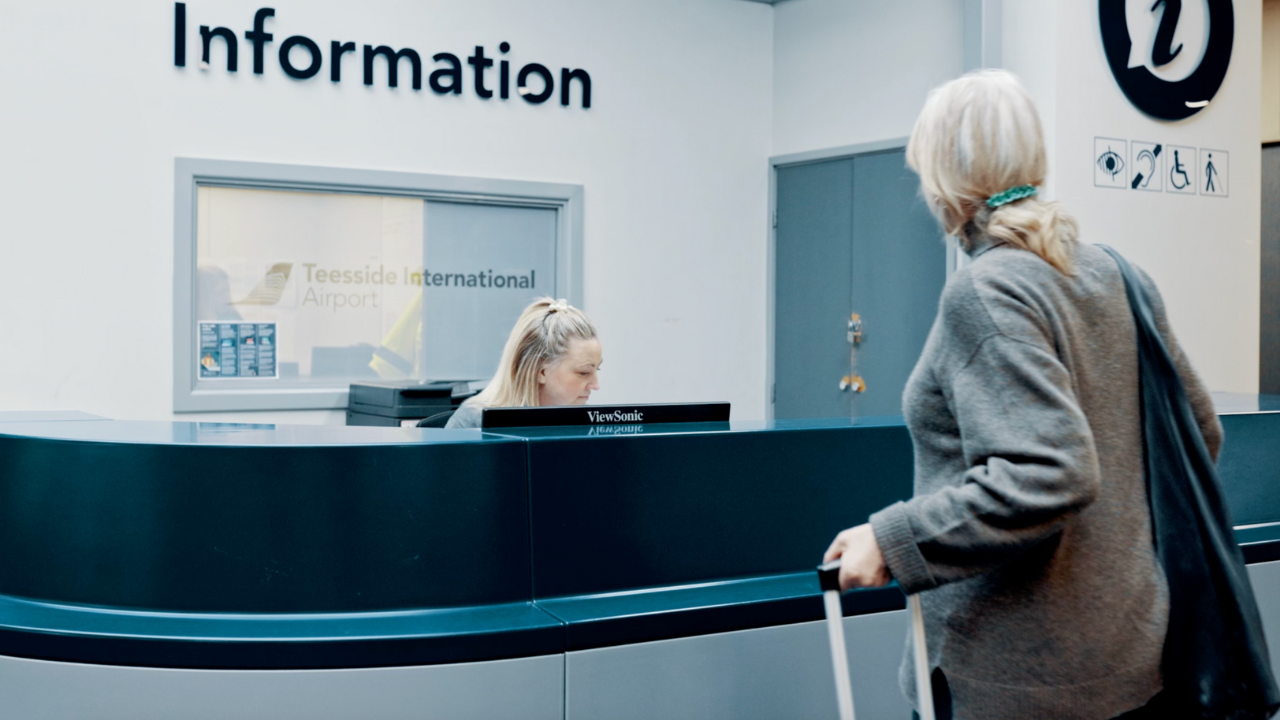
Airports offer some fantastic support to passengers with hidden disabilities .. but it can be difficult to know what's available and how you book it. Here are our tips for getting what you need
Assisted travel is available for both children and adults, and it is free of charge. It exists for those with hidden disabilities – such as autism, ADHD and dementia – as well those with mobility or other disabilities.
Things that airports may offer are: a one-to-one escort through all or part of the airport; a dedicated check-in desk; an assistance lane or fast track through security; a private area for security searches; a route bypassing duty free; a quiet or assistance area in departures; a sensory room; a dedicated assistance gate; priority boarding, and an assistance route bypassing e-gates at arrivals.
What’s on offer varies from airport to airport, so do some research in advance and look on the websites of the airports you’ll be travelling through. You’ll find information under “assisted travel” or similar title, then look for “hidden disabilities”.
Often, you can also email or phone the airports’ assistance teams – you’ll find their contact details on the airport website – to discuss specifically what your or your family member’s needs are and how they can help.
You must book the assistance with the airline or travel agent. You can do this at the time of your booking, or by going back to manage your booking, as long as it’s 48 hours before you travel. This will add the code DPNA (for autism) to your booking, and covers assistance at all the airports you travel to and from, as well as your flight.
We recommend you contact the airport’s assistance team to double check the airline has passed on the request for assistance a couple of days before flying. (Unfortunately, this is not always the case.) Also contact the destination airport for the return journey.
Not everyone wants to wear one, but a Sunflower lanyard alerts staff that you have a hidden disability without you having to explain yourself. Many airports can supply you with a lanyard on your day of travel. (However, not all airports abroad recognise the Sunflower lanyard.)
Make sure to check in at the assistance desk on the outbound journey, so they know you’re at the airport and can put personalised support in place. Do this even if you’re not using assistance on the outward journey, because otherwise the information will be deleted from your booking for the return flight when you might need it.
Inform staff at each stage of the journey that you or a family member are autistic to try to avoid any misunderstandings from the start.
If you have connecting flights, research the process and try to connect in airports that don’t require you to go back through security. This differs between connecting airports and even airlines and terminals within the same airport.
If you get selected for a secondary search at the gate (SSSS will be marked on your boarding pass), ask the assistance team what support is available for this.
Know your rights for assistance and how to complain if you don’t get the correct assistance. The Civil Aviation Authority has guidance here.
