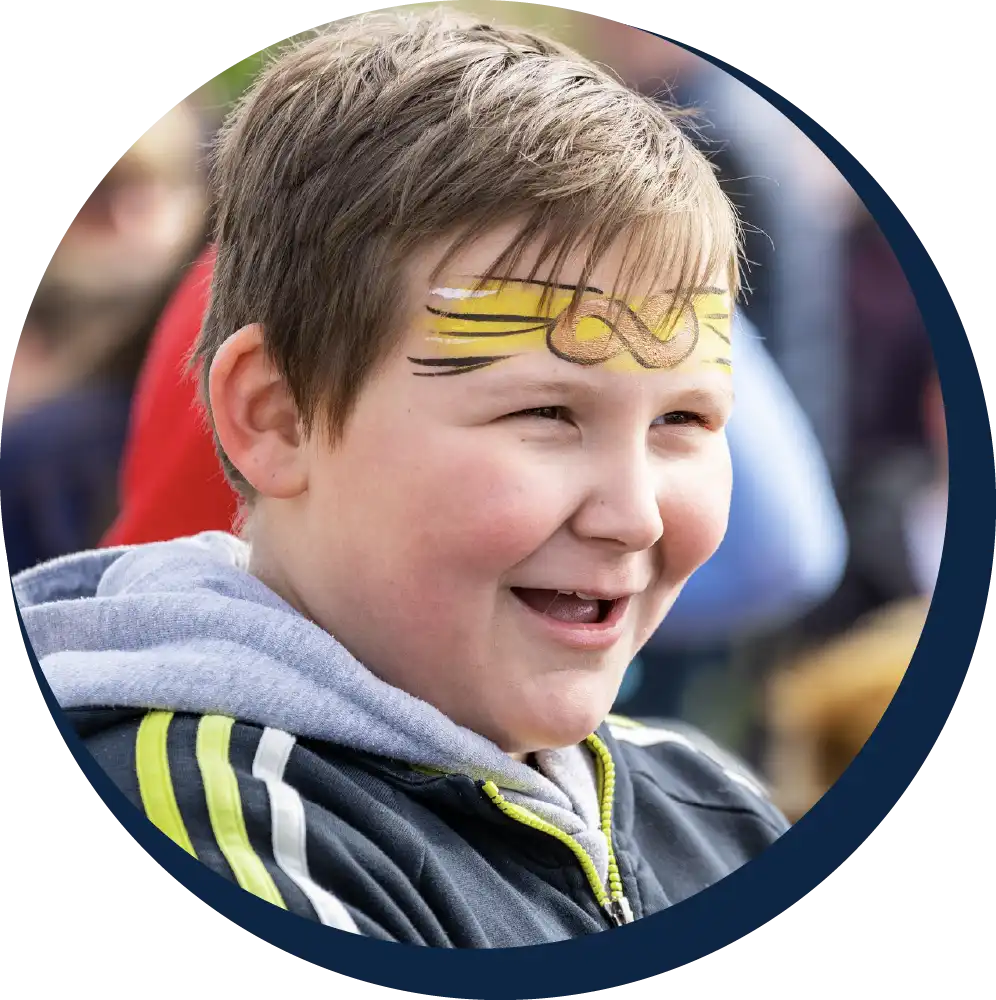

How Being a Young Carer Shaped My Life
To mark Carers Week, Lisa and Kerrie talk about the impact of growing up as young carers and supporting the ones they love.

On the latest episode of our podcast ‘This is Autism’, Kerrie Highcock, Family Development Manager talks to NEAS Chief Executive, John Phillipson about autism acceptance.
As Autism Acceptance Month approaches, John has been reflecting on how far we’ve come as a society and how far we still need to go. At the North East Autism Society (NEAS), we often say that autism acceptance is for every day of the year, and that belief has shaped much of our work over the past two decades.
John, explains:
“Awareness alone has never been enough. What matters is acceptance—genuine, meaningful acceptance that changes lives.”
For many years, public campaigns centred on autism awareness. These efforts certainly helped people learn more about autism, but awareness alone has never been enough. What we’ve worked towards and what autistic people have consistently told us matters most—is acceptance. Acceptance transforms how we design services, communities and opportunities so they work with autistic people, not around them.
One of the most positive developments in recent years has been the increasing leadership of autistic people in research, policymaking and service design. Autistic academics, professionals and advocates are shaping policy and sharing lived experiences that improve understanding.
“Small adjustments often simple, inexpensive things can make an enormous difference to someone’s quality of life.”
This shift has been invaluable. But it only works when we listen carefully and respectfully.
Despite this progress, significant barriers remain. Misunderstanding about autism is still widespread, and every day we see parents, advocates and individuals fighting for services that should be readily available. Even more concerning is the re‑emergence of harmful narratives that frame autism as something to be cured—ideas that take us backwards and create confusion.
With the right understanding, funding and support, many of the challenges autistic people face can be reduced—but only if society commits to acceptance rather than outdated myths.
True autism acceptance means that autistic people and their families can access the same opportunities as anyone else—without judgement, discomfort or barriers. Parents tell us they simply want to enjoy a day out without feeling stared at because their child is making joyful noises. Adults share that they just want to enjoy a swing in the park without people assuming something is wrong.
Health inequalities remain one of the most serious concerns. Autistic people face lower life expectancy, and access to screening and preventative healthcare needs significant improvement. Understanding communication differences, sensory needs and interoception—the ability to recognise internal signals such as pain—is essential.
We’ve also seen what’s possible when services adapt. Recently, a carefully planned collaboration with a local hospital enabled a young man with complex needs to receive essential treatment safely, calmly and respectfully.
“If it can be done once, it can be done repeatedly.”
One of the biggest lessons I’ve learned throughout my career is that systems often begin with good intentions—but unless they start with the individual, they will ultimately fail.
For support to be meaningful, you must truly understand the person: their motivations, fears, needs, aspirations, and how they process the world around them. Only by personalising support can we achieve the outcomes autistic people deserve.
“You can have all the qualifications in the world, but without the right values, you cannot offer the support autistic people deserve.”
Every week, I’m inspired by the dedication of our staff, who invest time and care in understanding the finer details of each person’s life. Those details—seemingly small—often have the biggest impact.
Autism acceptance is about changing attitudes and better understanding. It’s about designing services that include autistic people from the beginning. It’s about listening to lived experience and acting on what we learn. It’s about removing barriers in health, education, leisure, housing, travel—every part of life.
Most importantly, it’s about ensuring autistic people feel respected, valued, and supported to live the lives they choose.